Do you want to crochet a specific piece but have no idea where to start or what yarn to choose? Don’t worry, I have completely been there! It can be super overwhelming when you are staring at a wall of yarn and don’t know what to pick.
The truth is, there are so many options on the market that making a choice can feel impossible. Technical terms get confusing, and you might end up buying a yarn that doesn’t really work for your project or doesn’t give you the look you wanted.
To help you out, I’ve put together a guide with the best types of yarn for different crochet projects. You’ll never have to second-guess your yarn choices again!
1. Best Yarn for Wearables (That Lasts After Washing)
The biggest rule for crochet clothes is understanding the difference between winter and summer wear. Also, the type of garment you want to make changes everything.
Summer vs. Winter Wearables
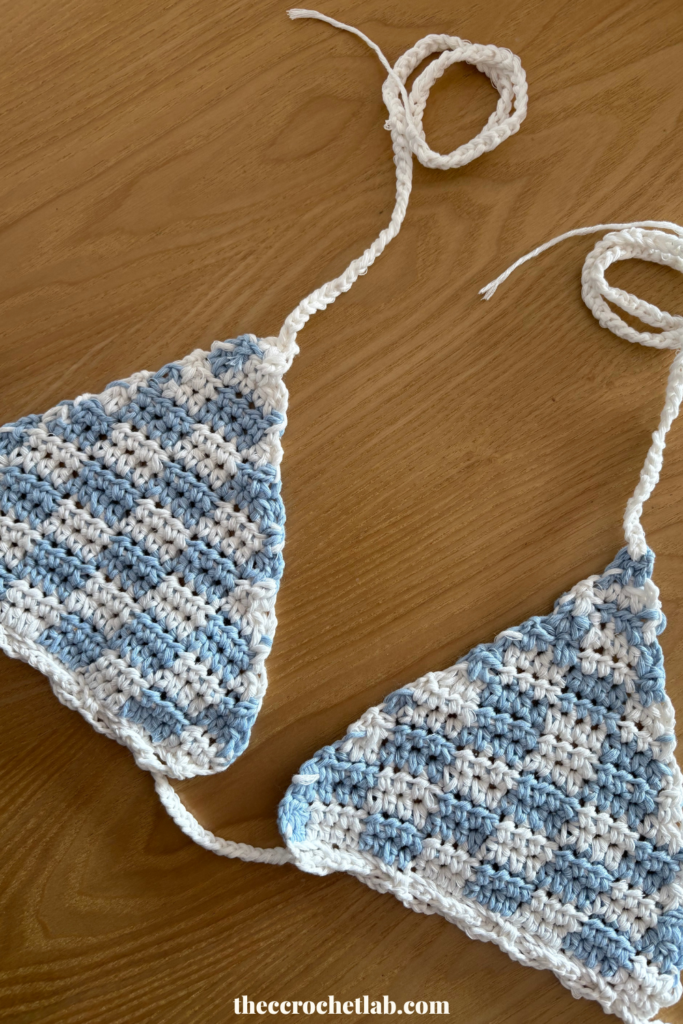
- For Summer: Lightweight tops look best with cotton, cotton-linen blends, or bamboo-sourced rayon. A mix of bamboo and cotton is an absolute top-tier choice for summer because it’s breathable, light, and feels amazing on the skin.
- For Winter: If you want warmer clothes, wool is the way to go. The weight of the yarn will determine how the garment hangs and flows (the drape).
Natural vs. Synthetic (The Truth About Acrylic)
I always prefer natural fibers (wool, cotton, bamboo) or natural/synthetic blends for anything you wear. In my opinion, 100% acrylic can feel too hot and sweaty. Plus, unless the label explicitly says “non-pilling,” acrylic yarn usually starts pilling (getting those annoying little fuzz balls) after just a few wears and washes.
Pro-Tip for Care: If you want nice crochet clothes that last, you have to treat them nicely! I typically use cotton, bamboo, or fisherman’s wool, and I always hand wash them and lay them flat on towels to dry.
A Quick Note on Yarn Weights for Clothes
Many crocheters start out using a Weight 4 (Worsted) acrylic yarn for everything. However, Weight 4 yarn can make clothes feel way too heavy and stiff.
For year-round wearables, a Weight 3 (DK) yarn is often much better because it gives a lighter, prettier drape. Keep an eye out: some yarn labels say Weight 4, but in my opinion, they actually feel and work like a Weight 3!
2. Best Color Yarn and Hook Size for Bad Eyes
Crocheting should be relaxing, not a strain on your eyes! If you struggle with your vision or have conditions like Retinitis Pigmentosa, your yarn and hook choices make a huge difference.
- Colors to Avoid: Stay away from black, white, or very dark colors (like deep navy blue). They make it almost impossible to see where your hook needs to go.
- Best Colors to Use: Go for bright, clear colors. Orange, light blue, light grey, and green are fantastic because they create high contrast.
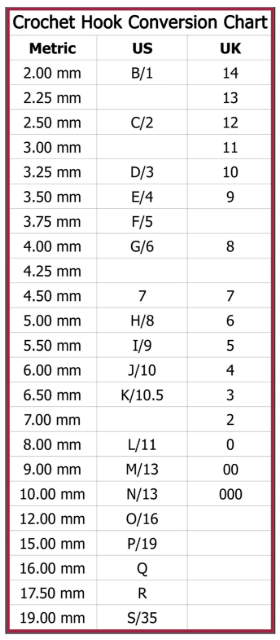
- Hook Size: Use a larger hook, like a Size K or L, so your stitches are bigger and easier to see.
- Lighting: Always use a good, bright light directly over your work!
3. Best Yarn for Absolute Beginners
Top Beginner Recommendations
- Bernat Maker or Lion Brand 24/7 Cotton: Look for these in very light colors. Why? Because these are braided yarns, not twisted. This means you don’t have to worry about splitting the yarn strands if your tension is a little off, and it makes it incredibly easy to see your individual stitches.
- T-Shirt Yarn: Another amazing option because it is thick, smooth, and structural.
- Big Twist Yarn: A budget-friendly, reliable staple for practicing your first stitches.
- Red Heart Super Saver (Pastels/Worsted Kits): Great for practicing chunky sweaters, blankets, or basic amigurumi.
- Cuddle Craft Tube™ Yarn (by Loops & Threads®): Soft, thick, and very forgiving for beginners.
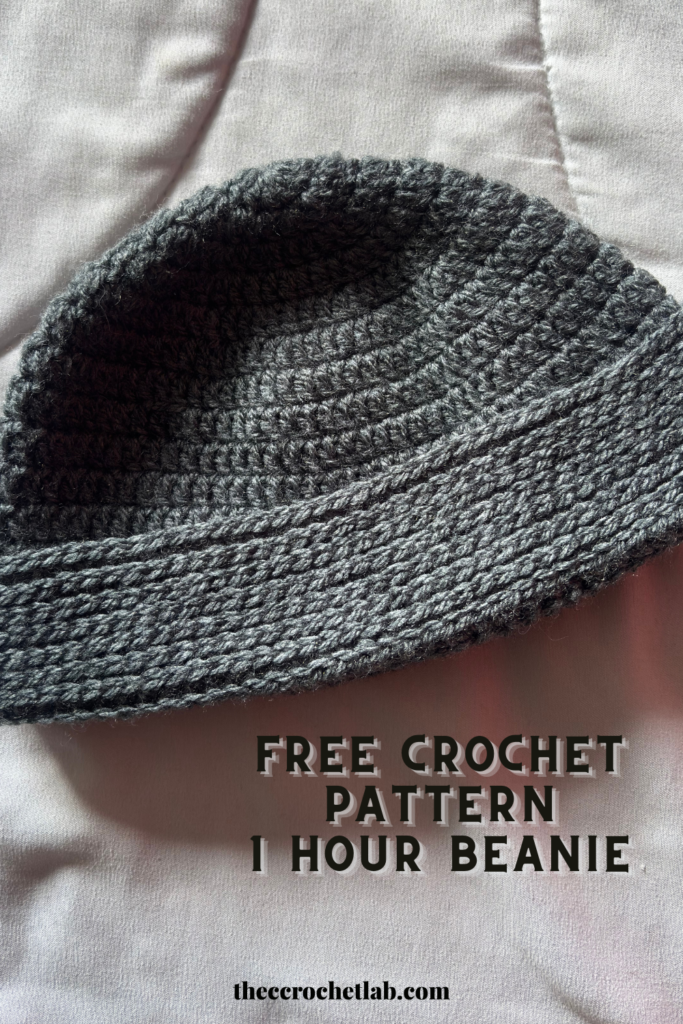
Beginner Tip: Don’t use dark colors! Also, if you are just starting out, do not buy extremely expensive yarn or luxury hooks. A high price tag does not interfere with your ability to make beautiful things! Start simple.
4. Best Yarn for Dry Hands and Sensory Issues
If your hands dry and peel easily, or if you have sensory issues and absolutely hate the texture of cotton, you need something ultra-soft that glides through your fingers.
- Bag-O-Day Tonal : This yarn is SO soft and perfect for anyone with texture sensitivities.
- Loops & Threads Soft Classic: Smooth, gentle on the skin, and doesn’t catch on dry patches.
5. Best Yarn for Baby Wearables
For baby clothes, 100% cotton is always the best option because it is incredibly delicate, hypoallergenic, and soft on a baby’s sensitive skin.
Top Trusted Brands for Baby Clothes:
- Hobby Cotton (like the Friends Cotton line)
- Debbie Bliss
- Blue Sky Fibers Organic Cotton
- Sugar ‘n Cream
- Loops & Threads Soft Classic
- Cascade Pima Cotton
- I Love This Cotton
6. Best Yarn for Baby Blankets
When making baby blankets, the weight (thickness) of the yarn determines how heavy and breathable the blanket will be.
Understanding Baby Yarn Weights:
- Lion Brand Mandala Baby / Stylecraft Special DK: These are DK Weight (Weight 3) yarns.What on earth does “DK” mean? DK stands for “Double Knitting.” It’s just a universal term for a medium-light yarn. It is thinner than your standard worsted yarn, making it perfect for lightweight, breathable baby blankets that aren’t too bulky.
- Worsted Weight (Weight 4): If you prefer a thicker blanket, go for ultra-soft options like Red Heart With Love, Red Heart Soft, or Premier yarns.
Natural vs. Acrylic for Babies
Many crocheters prefer Premier Cotton Sprout (a DK weight natural fiber) over acrylic. Natural fibers are much more breathable for a baby’s temperature regulation. Plus, some crafters avoid making baby blankets out of synthetic plastics (like standard acrylic) because they can melt in a fire, whereas natural fibers are much safer.
Fun & Practical Options:
For ultra-sensitive skin: Stick to 100% cotton options like Caron All Day Cotton.
Caron Baby Cakes: These skeins come with multiple colors pre-striped into the yarn. It’s ideal because you get a gorgeous colorful finish without having to manually switch yarns and weave in a million ends!
7. Best Yarn for Amigurumi (Plushies)
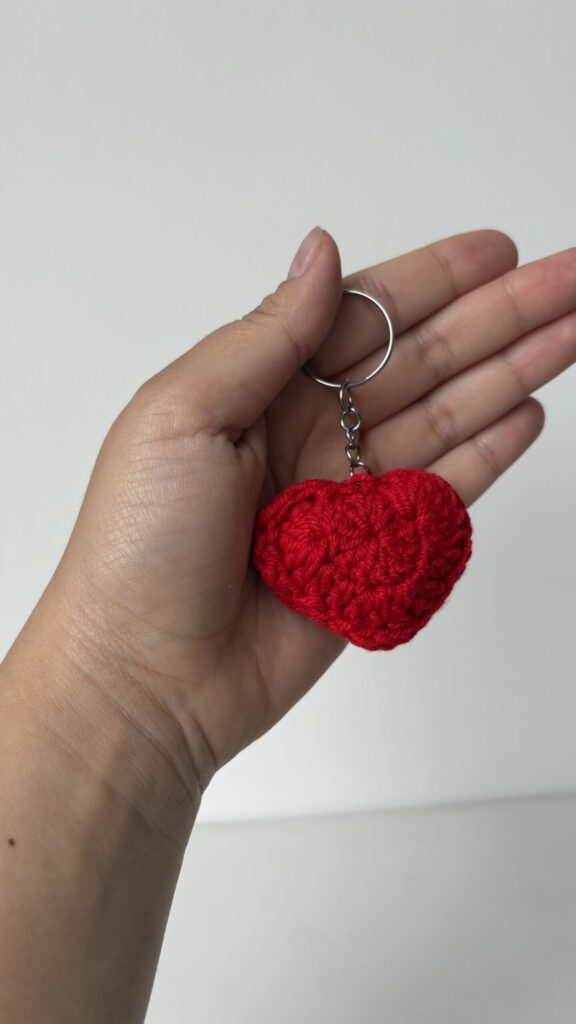
For amigurumi, your yarn choice completely changes the style of the toy.
- The Clean, Professional Look: 100% Cotton is amazing for plushies. It gives a sharp, professional finish, defines your stitches perfectly, and doesn’t get fuzzy over time like acrylic does. Brands like Keche 100% Cotton are perfect.
- The Soft, Fluffy Look: If you want a chunky, velvet, cuddly toy, use Chenille or Velvet wool. Chenille is thick, incredibly soft, and it doesn’t split open while you work, making your amigurumi look like a store-bought plushie!
How to Wash Your Crochet Clothes!
You spent hours making your beautiful garment, so let’s make sure it stays perfect! Unless your yarn label explicitly says it is machine-washable and dryable, follow these steps:
- Fill a basin or sink with cool or lukewarm water and add a small amount of gentle detergent.
- Submerge your item and gently squish the soapy water through the stitches (never scrub or wring it aggressively, as this stretches the stitches out of shape).
- Rinse thoroughly with clean, cold water.
- The Towel Trick: Press the garment gently against the side of the sink to get excess water out. Then, lay it flat on a clean towel, roll the towel up like a burrito, and press down to absorb the heavy moisture.
- Dry Flat: Unroll it and lay it flat on a fresh, dry towel. Never hang a crochet garment to dry, or gravity will pull the weight of the water and stretch your hard work into a completely different size!