You don’t need to be an expert or know everything to start knitting. I began my journey knowing absolutely nothing—but there are a few things I wish I had known earlier that would have saved me time, money, and a lot of frustration.
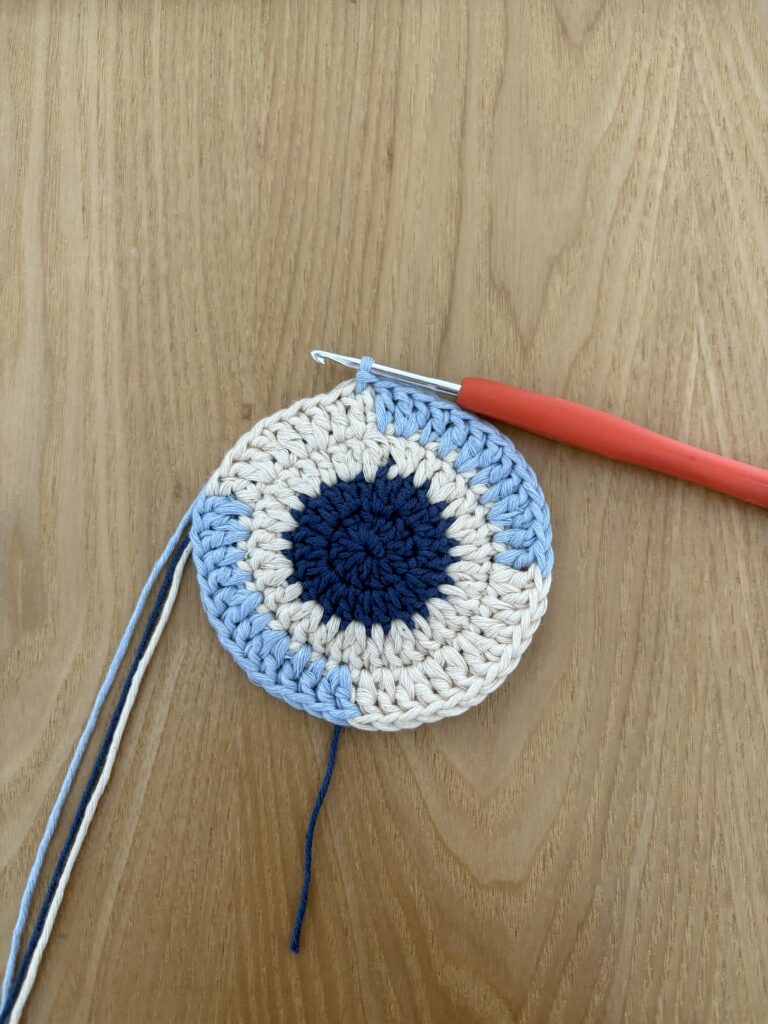
1. Don’t buy too much yarn at first.
It’s tempting to stock up, but you won’t know what fibers you actually like until you try a few. Start small and experiment.
When you’re starting out, it’s easy to fall in love with colors—but texture matters just as much (if not more). I bought a lot of yarn in the beginning that I now don’t know how to use because I don’t enjoy its texture for knitting. Take your time to discover what fibers you actually like before building your stash.
2. Start with larger needles
Bigger needles make it easier to see your stitches and help projects grow faster, which is super motivating. If you want to try smaller needles, go down one size at a time—for example, if you start with size 5, don’t jump straight to 2.5, as it can feel very difficult.
I actually started with 2.0 mm needles, and when I switched to larger ones, it felt like heaven
3. Every project needs different yarn
Not all yarn works for everything. The right one depends on the texture, weight, and purpose of your project.
For example, wool is great for warm sweaters, cotton works better for dishcloths, and firmer yarns are ideal for structured pieces like amigurumi.
Choosing the right yarn makes a big difference in how your project looks and feels.
4. Avoid dark colors in the beginning
Dark yarn makes it harder to see your stitches, which can slow down your learning and make mistakes harder to fix.
Using lighter colors lets you clearly see your stitches and the gaps where your needle should go, helping you spot errors quickly and build confidence as you practice.
Always make sure you’re knitting in a well-lit area. Good lighting makes it easier to see your stitches, catch mistakes early, and reduces eye strain while you practice.
5. You don’t need to know many stitches
You can create beautiful and even large projects using just a few basic stitches, like knit and purl. Mastering these simple stitches opens the door to a wide variety of patterns and projects without feeling overwhelmed. Once you’re comfortable, you can start combining them in different ways to create textures, shapes, and designs that make your knitting look more advanced—without ever needing to learn dozens of complicated stitches at the beginning.
6. Practice tension, not perfection
Your stitches don’t have to be perfect right away—focus on keeping a consistent tension as you practice. Consistent tension will make your projects look neater and help you learn more quickly. Over time, as your confidence grows, your stitches will naturally become more even, and you’ll be able to tackle more complex patterns without feeling frustrated. Remember, progress is more important than perfection!
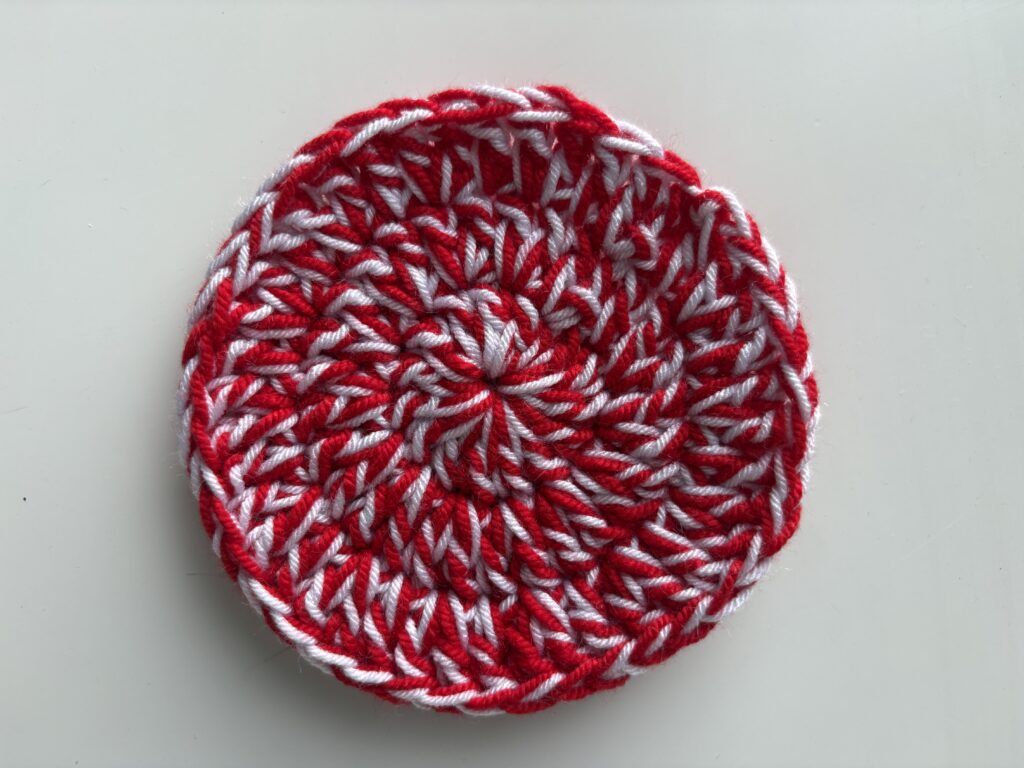
7. Read patterns slowly and carefully
Reading patterns can feel overwhelming at first, It might seem like total chaos in the beginning, but start by learning how to read simple patterns with easy stitches and small projects. Then, gradually increase the difficulty as you gain confidence. Don’t stress—at first it can feel really hard, but over time, reading patterns becomes a skill that will allow you to knit almost anything.
8.Count your stitches (yes, really!)
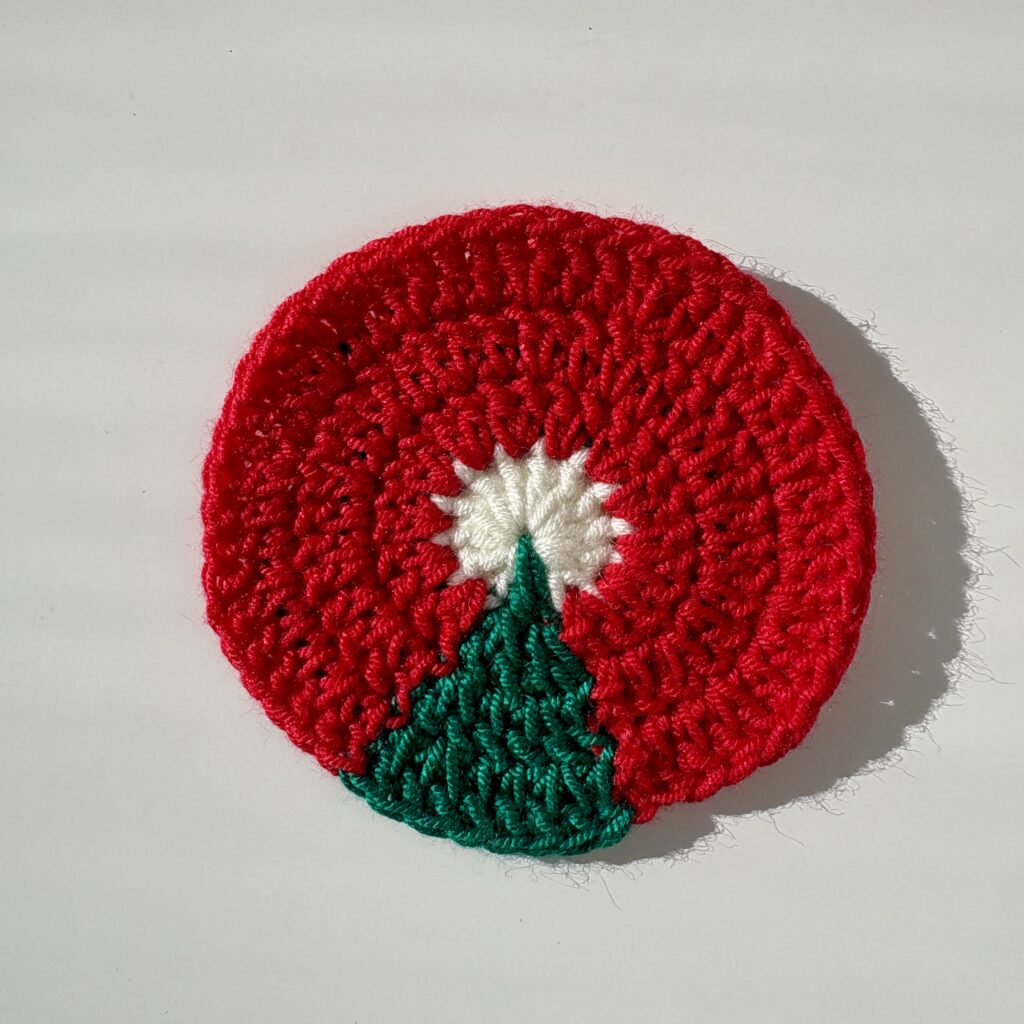
It might sound obvious, but beginners often skip this. Counting your stitches regularly helps you catch mistakes early and keeps your project the right size and shape.
9. Use stitch markers
They help you keep track of your progress and make complex patterns much easier to manage. They might seem completely unnecessary at first, but they can make a huge difference and help your projects look much more polished and professional.
10. Be patient with yourself
Knitting is a skill that takes time to develop. Don’t rush or get frustrated if things don’t turn out perfectly at first. Every stitch you make is progress, and each project teaches you something new. Celebrate small wins, enjoy the process, and remember that even experienced knitters were once beginners just like you. Patience is one of the most important tools in your knitting kit.
BONUS: This is therapy
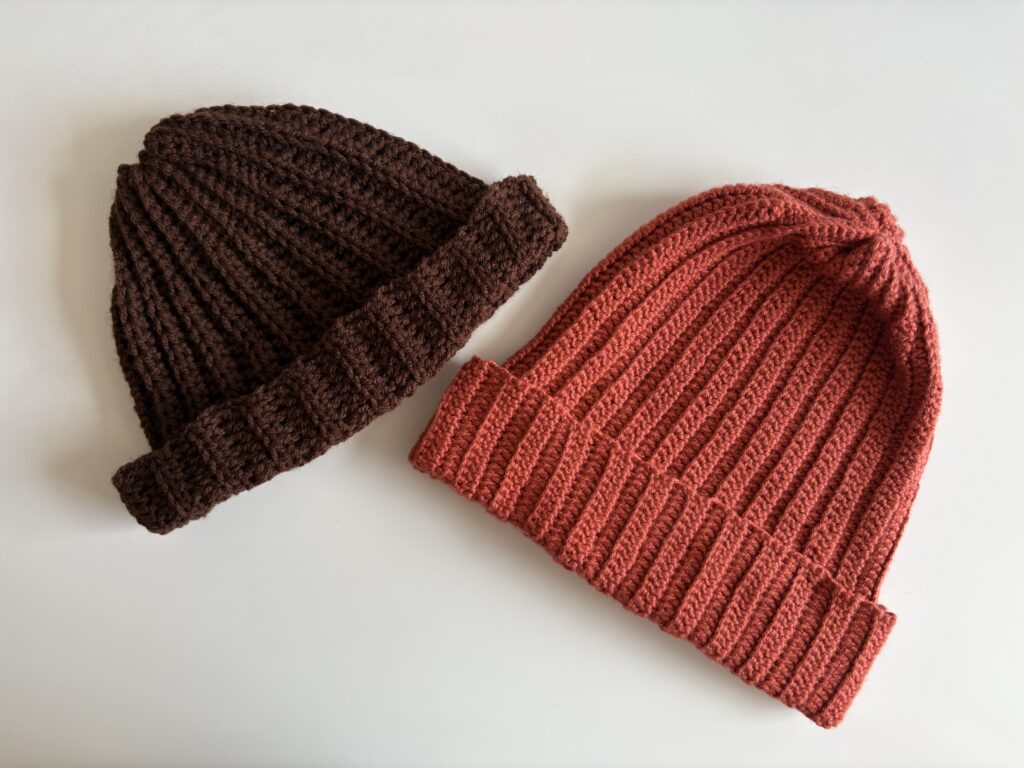
Knitting isn’t just about making scarves or hats—it’s a calming, meditative practice. Whenever I knit, all my attention focuses on that moment, and I stop thinking about things that stress me. The repetitive motion of stitches, the focus on patterns, and the satisfaction of creating something with your own hands can help reduce stress, clear your mind, and boost your mood. Think of it as a creative form of self-care that’s productive, relaxing, and rewarding all at once.
Starting to knit can feel overwhelming at first, but remember: every expert knitter began as a beginner. Take it one stitch at a time, enjoy the process, and don’t be afraid to make mistakes—they’re part of learning. With patience, practice, and a little creativity, you’ll be amazed at what you can create. Most importantly, have fun and let knitting become your relaxing, joyful escape.